Science & SpaceDiscoveriesSingle source: Scientific American
Slime mold outperforms mathematicians on complex network problem
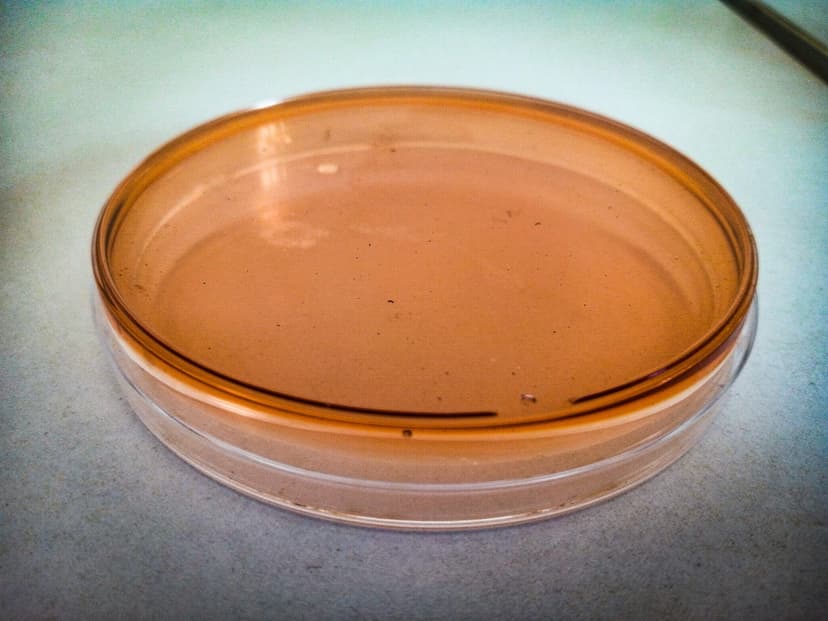
According to Scientific American, the single-celled slime mold Physarum polycephalum has beaten mathematicians at solving complex problems. The organism spreads its tendrils between food sources, a skill that could apply to designing efficient public transportation networks, a problem computer scientists describe as incredibly complex.
Published (Bangkok)
Key points
- Physarum polycephalum is a single-celled slime mold with no brain.
- It can solve mazes and find the shortest routes between food sources.
- The organism is also reported to learn from experience.
- Its tendrils spread carefully between morsels of food.
Why it matters The finding suggests biological systems could inform the design of transport networks, a problem that computer scientists consider highly complex. Its practical value depends on further work beyond the reported results.
Written in English from the original outlets' reporting; tap an outlet to read its article · Not investment advice · อ่านภาษาไทย